THIS MONTHS NEWSLETTER
- Article: The Medium Is the Message On Social Media 👇🏼
- Podcast: How To Turn Your Calls Into Search Rankings.
- Collaboration: Sales Today | Why Most LinkedIn Training Fails
- Upcoming events: The Architecture Of Influence
- Exclusive subscriber offers..
When a client recently reviewed a piece of content I’d written, they stopped to question me.
“Shouldn’t we add more context by saying something like this…” they asked, pointing to a block of text.
“Why?” I countered.
They looked at me, waiting for a marketing justification.
I smiled when I remembered "the medium is the message”.
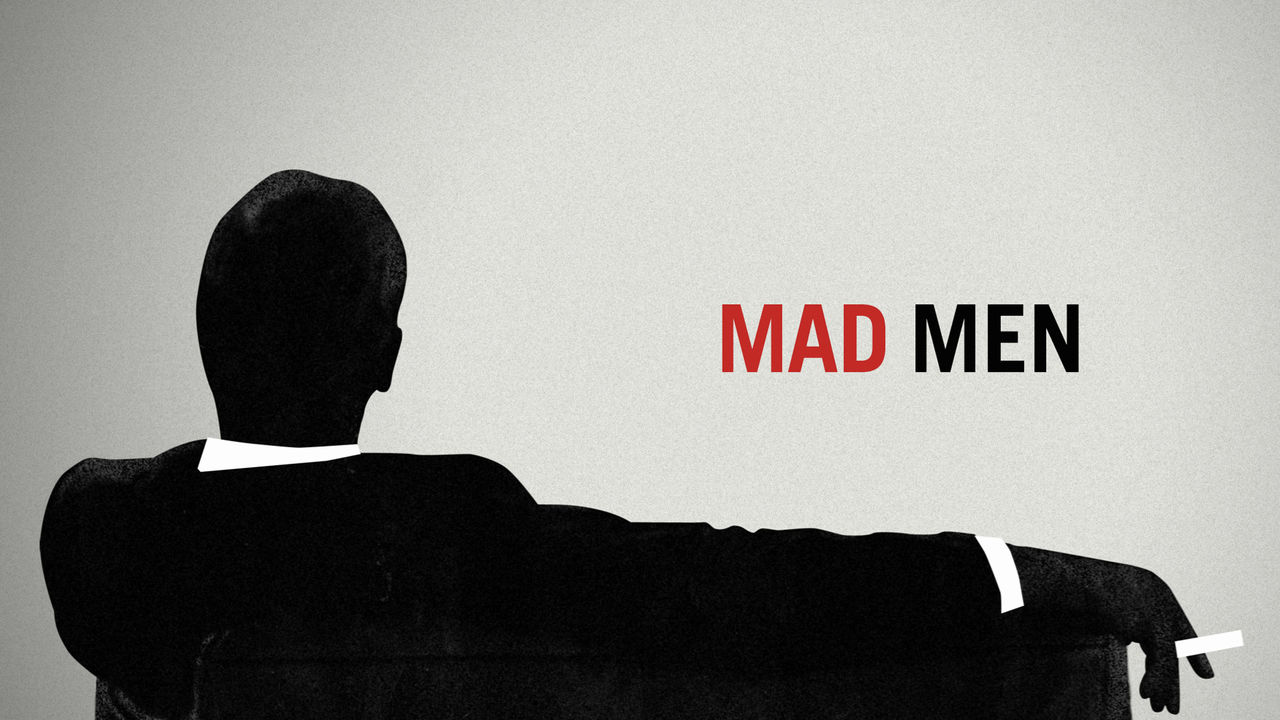
If you’ve ever watched Mad Men, you would have noticed how the world of advertising was shifting in the 1960s. It was a time when technology was rewriting how people consumed information. Families were shifting their attention away from gathering around the radio to sitting in front of the television.
Marketers who once wrote exclusively for static formats like print and radio suddenly had to adapt to a new world of moving images and sound. While television offered the unprecedented opportunity of scale—allowing brands to broadcast a message into living rooms across the country—it also introduced complexity.
- Who was watching?
- When were they watching?
- How could you grab their attention?
Entire corporate departments were built to answer these questions. Frameworks like media planning, audience analytics, and strategic scheduling were all born from the need to understand not just what was being said, but how and when.
During that era, choosing the right marketing channel was a major strategic decision. A television slot meant one thing; a magazine ad meant another.
Marshall McLuhan’s Theory: Understanding Content Strategy Context
In 1964, a Canadian philosopher named Marshall McLuhan challenged traditional marketing thinking to go even deeper. In his book Understanding Media: The Extensions of Man, he coined a phrase that would define communications forever: “The medium is the message.”
McLuhan suggested that the medium itself communicates something of its own—something deeper than the actual content of the message.
Think of it as an invisible layer of consumer psychology.
For example, in the 1960s, choosing to advertise on television over print said something about your brand before a single word was spoken. TV implied immediacy, authority, and cultural energy. Meanwhile, a print ad in an intellectual magazine implied sophistication, exclusivity, and prestige.
Even the physical placement of your message sends an implicit signal. An in-store poster at eye level isn’t just about graphic design; it’s about human behavior. (We now know through modern retail analytics that products placed at eye level consistently outsell those that aren’t.)
Furthermore, the medium itself dictates the content consumption habits attached to it. Reading print is an active process; it demands focus, time, and reflection. On the flip side, watching TV is passive. Because attention is fleeting, the message has to move fast to maintain a grip on the viewer.
How Does "The Medium Is The Message" Apply to Social Media?
So, when my client asked, “Shouldn’t we add more context” my smile was to do with understanding platform-specific content.
When you grasp the hidden context of your medium, you make more intentional, high-converting choices. It doesn’t have to be any more complicated than that.
On social media, user behaviors and intent change completely from one app to another, and even post to post:
-
LinkedIn implies professional development, industry authority, and business networking.
-
TikTok and Instagram Reels imply entertainment, raw authenticity, and split-second visual pacing.
-
X (formerly Twitter) implies real-time news, hot takes, and brief text interactions.
Today, audience attention spans are more fragmented than ever. Every platform, every format—whether it’s a short-form video, a carousel, or a poll—comes with a pre-defined set of assumptions about how people engage and what level of time they are willing to invest.
Matching Your Message to Modern Consumer Behavior
If you force a text-heavy, deeply analytical messaging onto a platform where users are accustomed to rapid-fire visual storytelling, you aren't fighting the algorithm—you're fighting the state of mind the human reading it is in.
In other words, the format you choose speaks louder than the copy you write.
A sleek, text-free image on Instagram is a better vehicle to deliver your message than trying to cram an explanatory paragraph into the graphic signals that doesn't feel contextual on the platform.
Why risk muddying your message on a simple post when a clean image can communicate everything needed without words?
🍊Creative Business is brought to you by Tomorrow