
What to expect this October:
- A trip back to the 60's.
- What can a sales person contribute to a search engine?
- Collaboration with Sales Today.
- This months song for your playlist.
- Upcoming events and more...
Enjoy this newsletter? Share it with a friend.
That Picture Speaks a Thousand Words
When a client reviewed a piece of content I’d written they questioned me,
“Shouldn’t we add more context by saying something like this…”
“Why?” I asked.
They looked at me, waiting for justification.
I said “Remember, the medium is the message”.
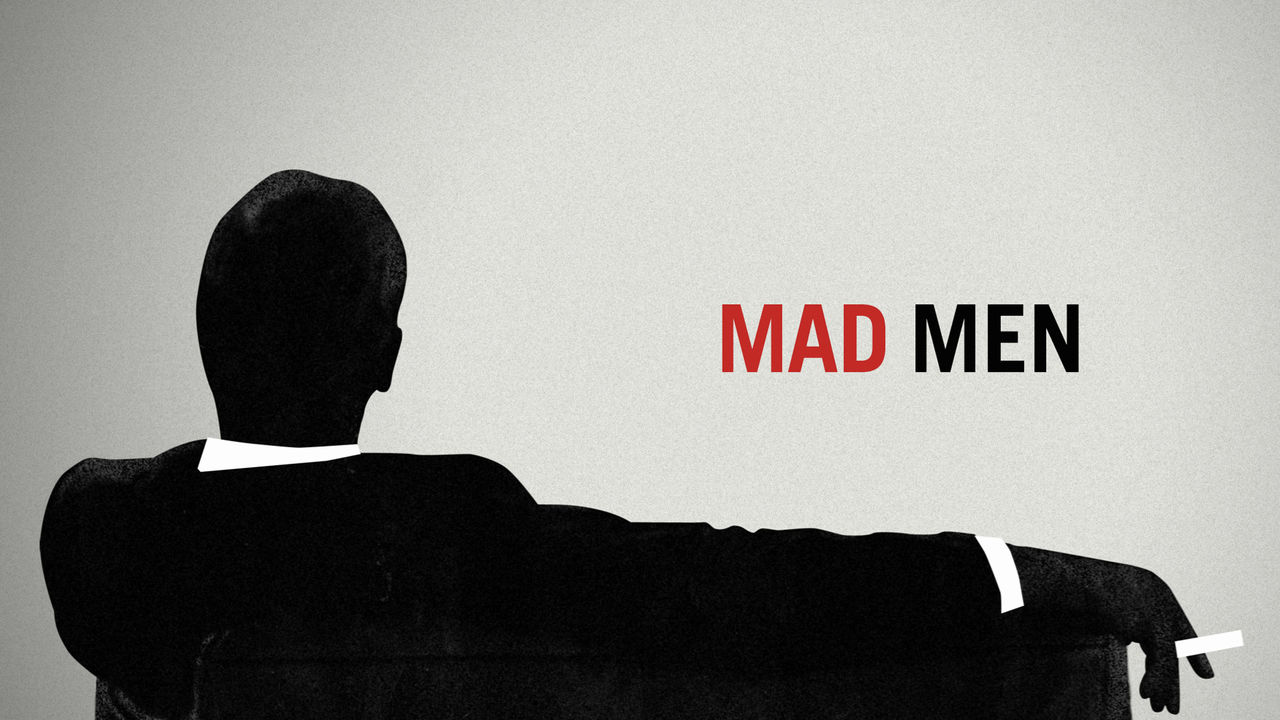
If you’ve ever watched Mad Men, you would have noticed how the world of marketing was shifting in the 1960s. It was a time when technology was rewriting how people consumed information. Families were beginning to shift their attention away from gathering around the radio to instead sitting in front of the television.
Marketers who once wrote for static formats like print and radio suddenly had to adapt to a new world of moving images and sound. While television offered the opportunity of scale, (you could now broadcast your message into living rooms across the country), it also introduced complexity.
Who was watching? When were they watching? And how could you reach them?
Entire departments were built to answer these questions. Media planning, audience analytics, scheduling, all born from the need to understand not just what was being said, but how and when.
During that time, choosing your medium was a serious strategic decision. A television slot meant one thing. A magazine ad, another. But then a Canadian philosopher named Marshall McLuhan challenged marketing thinking to go even deeper when he coined the phrase “the medium is the message” in his 1964 book Understanding Media: The Extensions of Man.
He suggested that the medium itself communicated something of its own. Something more than the message itself.
Think of it as an invisible layer of meaning.
For example: Choosing to advertise on television over print said something about your brand before a single word was spoken. TV implied immediacy, authority, energy. While a print ad in an intellectual magazine implied sophistication and exclusivity.
Even the placement of your message now sends a signal. An in-store poster at eye level wasn’t just about design, it was about psychology. (We now know products placed at eye level consistently outsell those that aren’t.)
And then there was how the medium itself was dictated by the consumers behaviour attached to it. Reading print is active, it demands focus and reflection. On the opposite side watching TV is passive, attention is fleeting, so your message had to move fast to not only maintain attention but to grab it in the first place.
So, when my client asked, “Shouldn’t we add more context by saying something like this”
My answer was about its context.
Understanding the context of your message allows you to make more intentional choices.
It doesn’t have to be any more complicated than that.
On social media today, attention is more fragmented than ever. Every platform, every format, whether it’s a video, image, or poll, comes with its own set of assumptions about how people behave, consume and what level of time they’re willing to invest.
So why risk muddying your message on a simple post when an image can communicate everything needed without words
When Sales Meet Search Engines
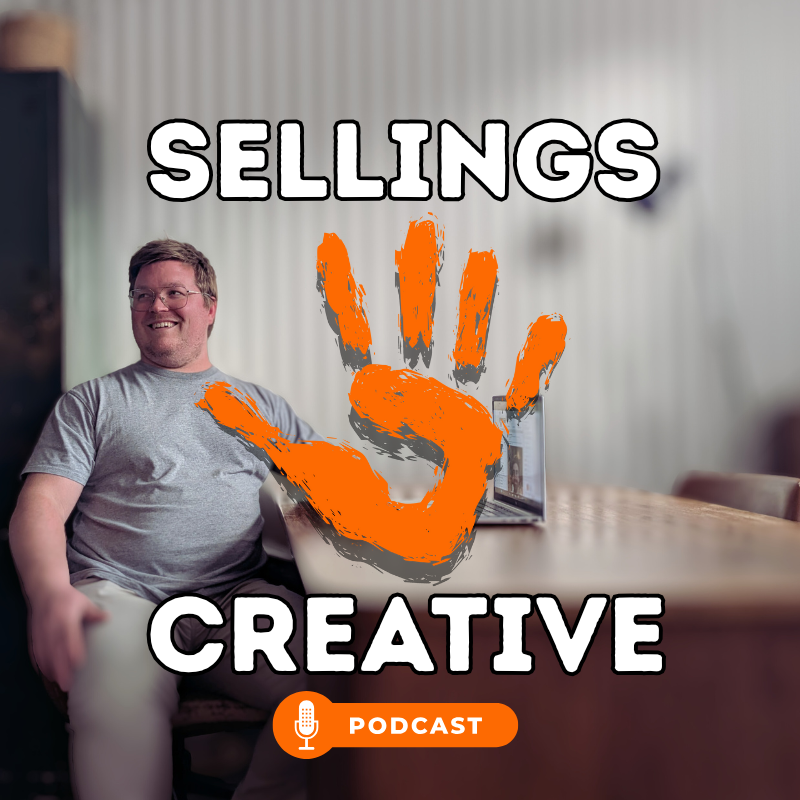
This month on Sellings Creative, I had the chance to catch up with an old uni friend, Bruno Rodriguez, an SEO specialist who’s built a global career helping companies like Amazon Web Services and Expedia get found online.
We both studied Digital Communications & Culture at Sydney University, a course that looked at the internet less as a marketing tool and more as a cultural phenomenon. Back then, I think both of us left with mixed feelings: fascinated by what digital could do, but also a little wary of what it was doing to us. Fast-forward a decade, and here we are — both applying those same lessons to the modern digital world in very different ways.
In our chat, we unpacked how SEO bridges sales, marketing, and human behavior, why understanding what people search reveals what they need, and how AI is reshaping search and personal branding.
Watch now or listen your favourite streaming services.
|
Featured Collaborations:
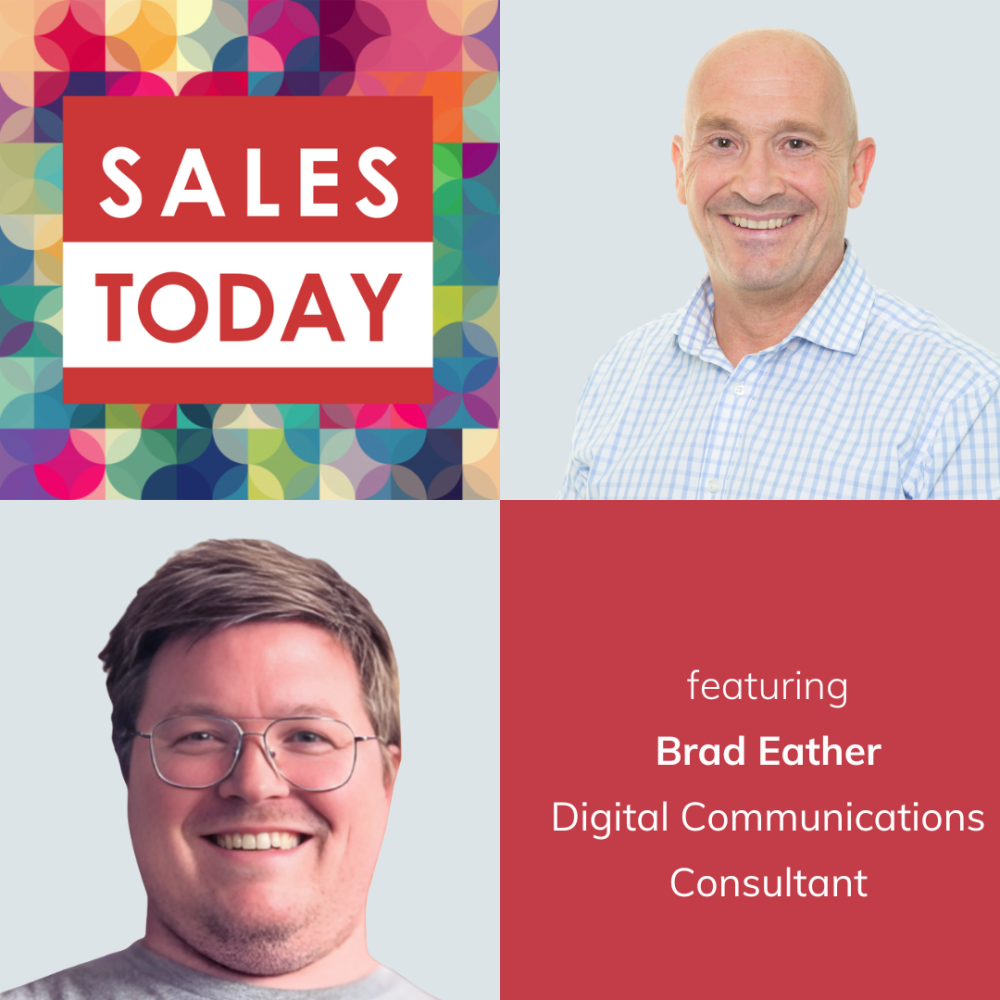
Why Most LinkedIn Training Fails B2B Salespeople (And What Works Instead)
I recently had the pleasure of joining Fred Copestake on Sales Today. we talked about why LinkedIn has been misunderstood by too many sales teams and explored why the real challenge isn’t learning how to post, it’s learning how to participate.
At the heart, the message is simple: stop trying to sell to everyone and start communicating with purpose.
Upcoming events:

If you’re building or managing a community, this session’s for you.
Keeping people engaged is hard enough...growing your audience at the same time can feel impossible.
But what if engagement was growth?
In my upcoming session, The Architecture of Influence: How To Grow Your Community Beyond Its Walls - courtesy of The Digital Nomad CMX community - I’ll unpack how to expand your reach by thinking beyond your current members and joining the conversations that shape your industry.
If you’ve ever wondered how to make your community impossible to ignore — this one’s for you.
📅 RSVP here.
Add this to your playlist.
One of my favorite ways to communicate is through sharing music, I love it! So each month I select a track for you to give a spin:
At the Zoo - Simon & Garfunkel
 |
Last month we welcomed our baby daughter Hazel into the world. Naturally the first thing that came to mind is what's a fun song to sing that's not going to drive me crazy.
Enjoy this newsletter but you're not yet subscribed?
Get this newsletter delivered straight to your inbox with exclusive offers and more...