What Makes an Effective Communicator?
Today's working environments are defined by change where leadership is no longer about issuing top-down directives but driving collective performance.
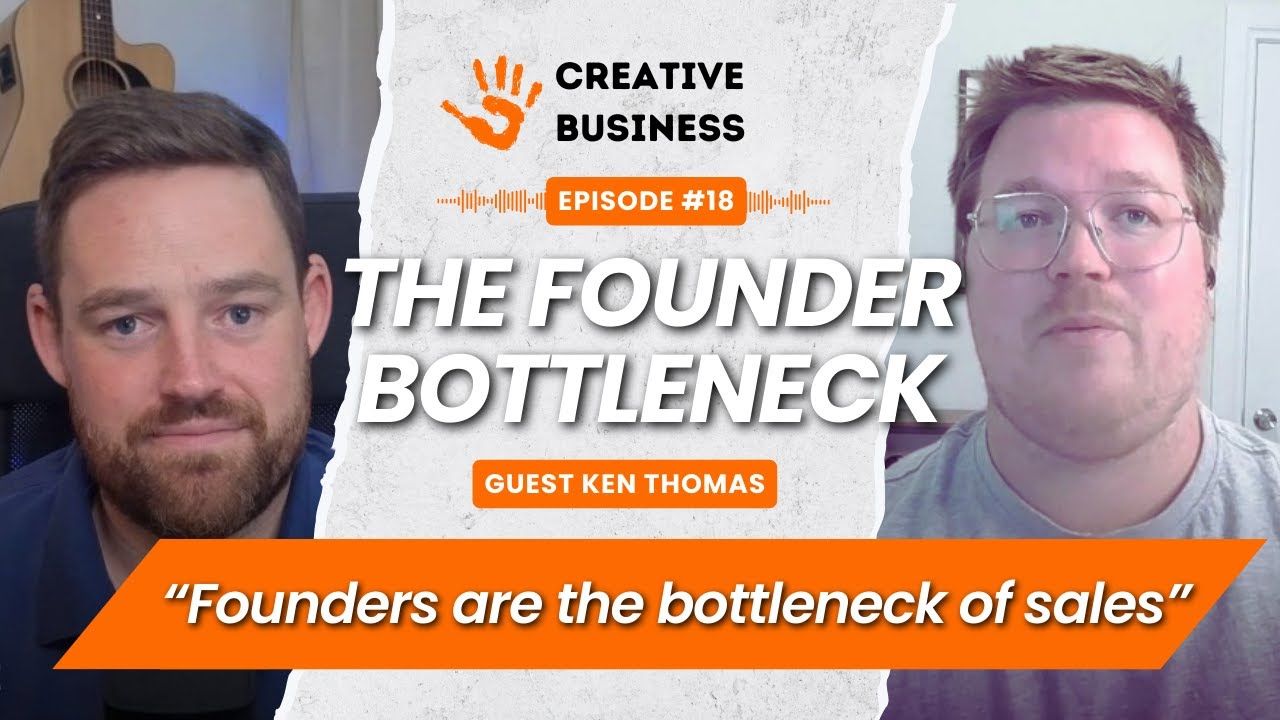
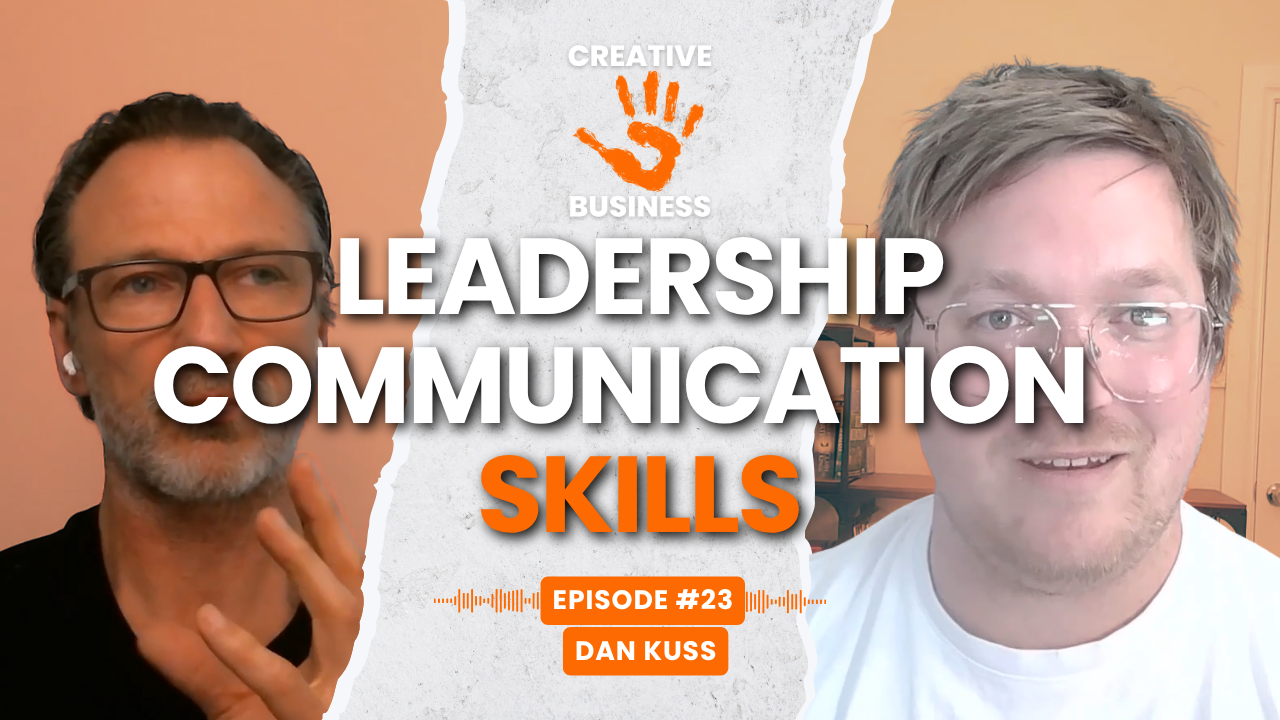
On this episode of the Creative Business Podcast, host Brad Eather welcomes Organizational Performance Coach Dan Kuss (Strengths Academy) to examine the connection between people, performance, and effective communication in the workplace.
Diving into different communication approaches they explore why standard presentations aren’t always effective, how technical contributors can prepare to step into management, and how to use the Gallup CliftonStrengths to improve team cohesion and align clear communications with organisational performance.
LISTEN HERE:
Why Do Leaders Struggle with Communication?
Most miscommunications in the workplace stem from a misalignment between leadership's core objectives and their execution—in other words, a lack of clarity.
When leaders speak without clarifying their intent beforehand, instructions become ambiguous. As a result, team members lack the understanding needed to take true ownership, causing operational continuity to break down.
What Is the Difference Between Presenting and Facilitating?
Effective communicators carefully choose their delivery style based on their specific goals and context. Understanding the difference between presenting and facilitating is vital because they serve entirely different workplace functions
When Is Presenting Useful?
Presenting is a one-way monologue. It is designed to pitch an idea, share structured information, or deliver updates so an audience can make a decision. Presenting is most effective when:
- Time is limited: You have a tight schedule where you must deliver key information without extensive debate.
- The Goal is Education: You need to present facts, metrics, or company updates so attendees can digest the context.
When Is Facilitation Useful?
Facilitation—derived from the French word facile, meaning "easy"—is the art of making information clear and actionable through two-way dialogue. Instead of lecturing, an effective facilitator asks strategic questions and has participants demonstrate concepts back in real time. Facilitation is most useful when:
- You need active engagement: You want to ensure the audience genuinely comprehends the material rather than listening passively
- You want immediate application: You need attendees to complete exercises, brainstorm solutions, or practice skills live in the room.
- You are driving group alignment: Asking open-ended questions helps calibrate where the room is at and guide team members toward a shared outcome
Quick tip: If you want to engage a room, Ask open-ended questions throughout the session to build confidence and momentum.
How Great Communicators Get Straight to the Point.
It is a common myth that naturally talkative people are automatically great communicators. In reality, unrefined communication strengths often lead to over-explaining, going off on tangents, and losing the audience's attention
For naturally expressive speakers who have yet to master their talent, Kuss offers a counterintuitive rule of thumb to help improve communication skills: ask them to begin the story in the middle.
By cutting out unnecessary background context, high-communication individuals are forced to adapt immediately, respect their audience's time, and deliver clear, actionable points.
Why Technical Experts Struggle When Promoted to Management
A common challenge in growing organizations occurs when top-performing technical experts—such as senior engineers—are promoted into management roles.
The qualities that earned them a promotion are usually rooted in individual problem-solving skills. However, leading people requires a completely different skill set:
- Technical Mindset: Technical experts derive fulfillment from doing the work, analyzing complex data, and solving tangible problems directly.
- Management Reality: Once promoted, their time shifts to administrative duties, meetings, and team alignment—cutting them off from the technical work they’re good at.
To succeed, new managers must learn to step away from doing the hands-on work and focus instead on creating the environment where their team can solve problems effectively.
WATCH SEGMENT
How Does CliftonStrengths Improve Leadership Performance?
To help leaders make these behavioral shifts, Kuss relies heavily on the Gallup CliftonStrengths assessment—a diagnostic system that identifies an individual’s top talent strengths out of 34 potential profiles.
Understanding these natural tendencies gives new leaders the self-awareness needed to fine-tune their communication and behavior.
Example: A leader with a strong Learner talent thrives on acquiring new knowledge and taking action. Without self-awareness, that leader might constantly introduce new initiatives, unintentionally disrupting the team's strategic direction.
By understanding individual talent profiles, executive teams can build psychological safety, manage up and down effectively, and foster trust across the organization.
Connect with Dan Kuss on LinkedIn or visit strengthsacademy.com.au to learn more about performance coaching, facilitation, and CliftonStrengths development.
ABOUT US
DIGITAL MARKETING CONSULTANTS
Tomorrow embed inside $1M–$10M professional services to turn complex expertise into high-converting content systems that capture attention and drive growth.