Why Your Workplace Needs a Play Culture
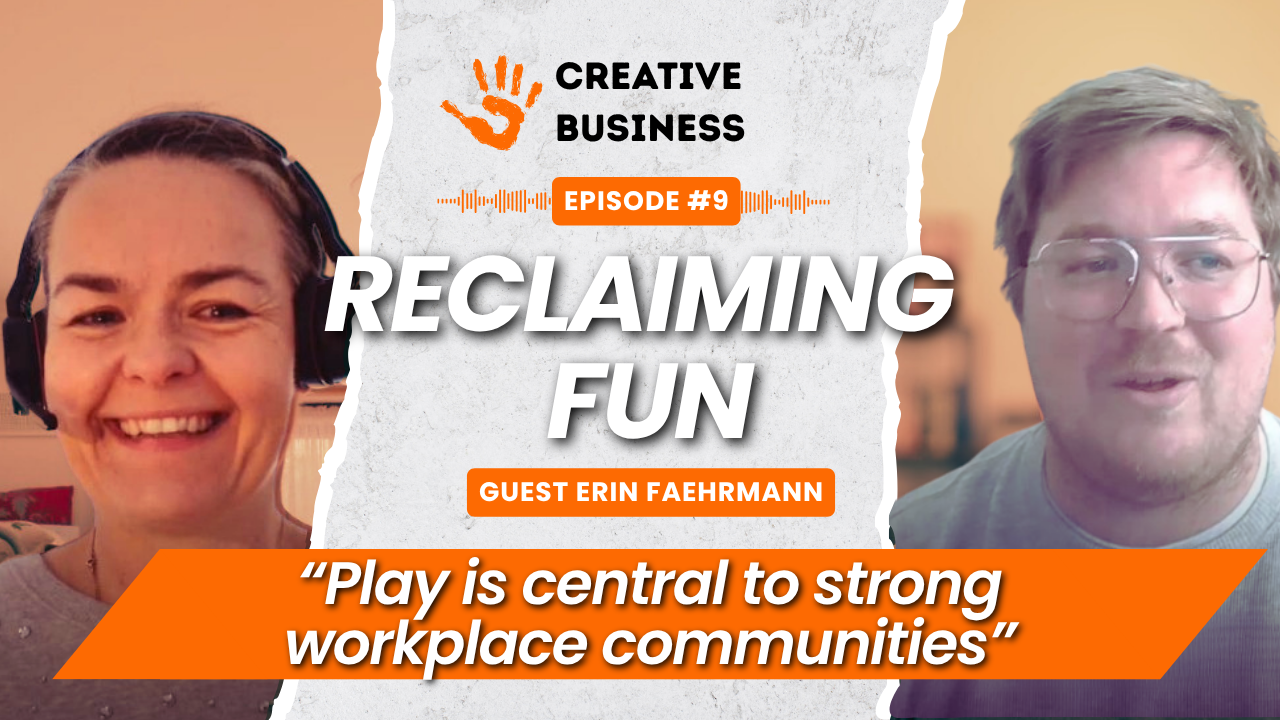
In a corporate world dominated by hyper-efficient workflows and rigid structures, the word "play" likely sounds a little unprofessional. But according to Erin Faehrmann—Chief Play Officer at Lead With Play and veteran change management professional—reintroducing play into the office isn't just a way to lighten the mood.
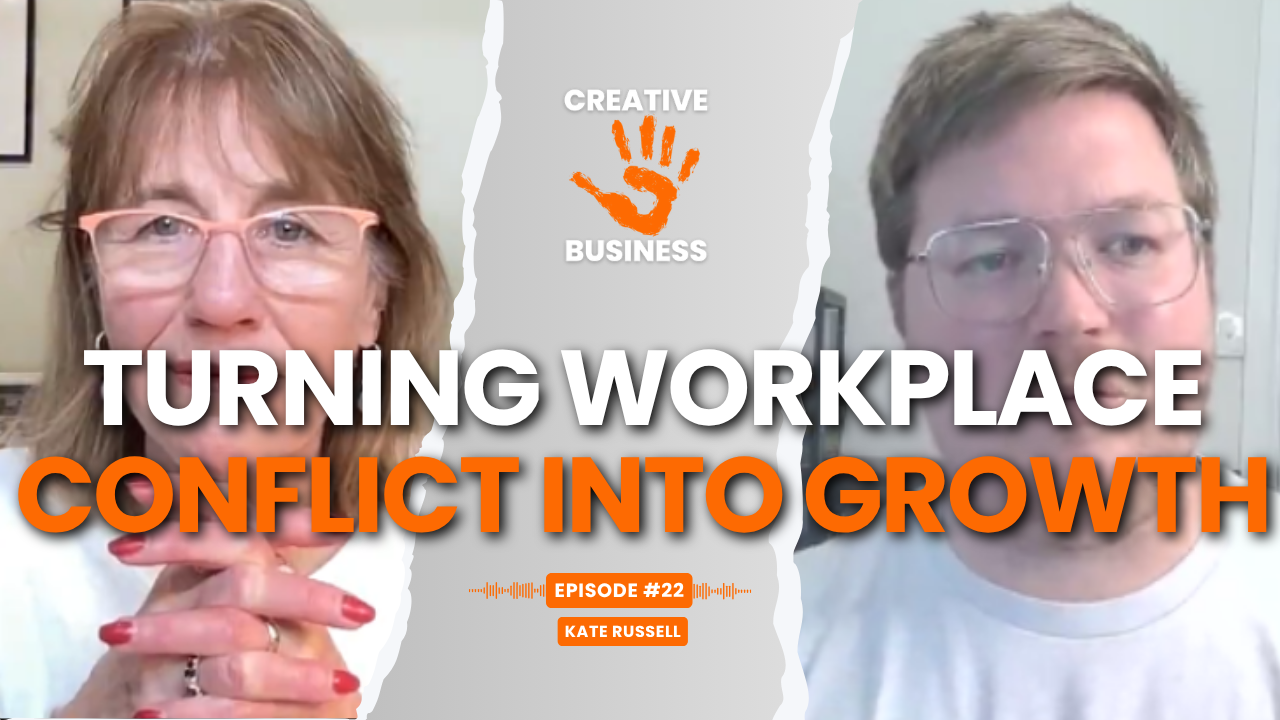
On this weeks episode of Creative Business, Faehrmann shared how blending professionalism with a freedom to play helps organizations navigate structural shifts and transforms a rigid workplace culture into a powerhouse for innovation.
Redefining Workplace Culture
Why do adults feel like they need permission to have fun at work? Faehrmann argues that standard corporate life strips away the thematic pillars that define how organizations should operate: freedom, autonomy, and emotional expression.
From grade school uniforms to modern office cubicles, freedom of choice is systematically designed out of our lives. Adults then find themselves trapped in an exhausting loop of "personality switching" that requires them to put on a mask of stoic professionalism to fit in.
However, authentic cultural shift happens when organizations stop viewing emotions and productivity as oil and water.
Culture is Not Forced Fun
When leaders notice morale dropping, the default response is often to implement superficial fixes:
-
Pizza Fridays or corporate adventure races that only a fraction of the team enjoys.
-
Placing beanbags in the lobby just because a tech giant did it.
Faehrmann warns that this approach misses the mark. For play to be effective, leaders must know why they are doing it. Purposeful play aims for distinct business outcomes—like establishing improving psychological safety or building systemic resilience.
LISTEN NOW
FIND MORE WAYS TO LISTEN 👉🏼 HERE
Actionable Tools for Leaders
1. Adult Play Styles
One size does not fit all. To safely kickstart cultural change, leaders must understand how to introduce play in the workplace (without alienating employees). Faehrmann point to the work of Dr. Stuart Brown, who identified eight distinct adult play styles in business.
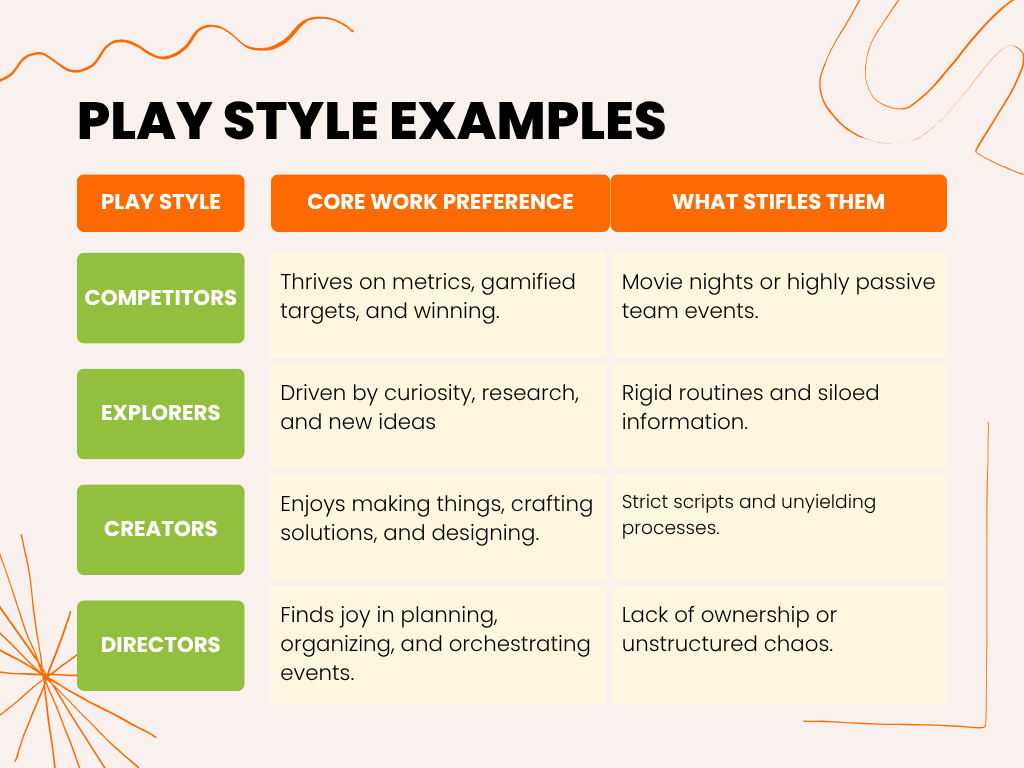
By understanding these profiles, leaders can delegate culture-building directly to the natural "Directors" of the team while ensuring activities respect the diverse styles present.
2. Parallel Play
Staring face-to-face across a table to discuss workplace issues can feel terrifying, Faehrmann highlights parallel play for adults at work as a psychological strategy to bypass this tension.
What is parallel play?
By engaging side-by-side without intense, direct eye contact—such as walking meetings or building lego models simultaneously—the brain relaxes. This naturally increases the conversations safety, allowing employees to express vulnerability and honest critiques without fear.
3. Visualizing Problems
When dealing with complex business problems or departmental friction (like the classic disconnect between sales and marketing), Faehrmann likes to introduce Lego Serious Play. A style of play that allows employees to physically build models of their respective perspectives.
By physically connecting individual Lego creations into a singular structure, teams visually map out and discuss their problems and/or solutions. This creates a moment for shared discussion and team cohesion.
4. Workplace Inclusion
To maximize team input leaders can leverage liberating structures. Specifically structured timing mechanisms (like a 1-2-4-All method) . Giving an employee two minutes of absolute quiet to build or think before transitioning into pairs and groups ensures that introverts and extroverts alike have equal space to process complex information and changing demands.
5. Embracing Micro-Habits
Play doesn’t always require a workshop. It can be woven into personalized micro-habits daily. Faehrmann champions the concept of dopamine dressing—wearing specific clothes, colours, patterns, or hidden novelty socks that express authentic creative energy and boost an individual's overall sense of confidence.
Erin's TEDx Talk | Permission to Play
Driving Employee Motivation
Using play to pre-empt corporate disruptions can also be applies to build business resilience through simulations.
Much like young mammals play-fight to test boundaries safely, business play allows teams to run low-risk simulations of stressful future events. Confronting the fear of change in an environment designed for exploration fosters deep confidence that the team can weather whatever comes next .
Furthermore, this immersive approach taps into employee motivation by reinforcing Dan Pink's three essential elements of human drive:
-
Autonomy: Play inherently grants professionals control over how they express their perspectives and design their workflows .
-
Mastery: Simulating scenarios and role-playing creates a safe training ground to sharpen professional skills .
-
Purpose: Aligning individual contributions to the collective structure reminds employees exactly why their specific piece of the puzzle matters .
Ultimately, business change is an emotional journey . By stepping outside the rigidity of the "normal" workplace and adopting a playful, structured approach to problem-solving, leaders can ensure their teams stop fighting transition and lean into future friction with conviction.
WATCH FULL EPISODE
🍊 Creative Business is brought to you by Tomorrow
ABOUT US
DIGITAL MARKETING CONSULTANTS
Tomorrow embed inside $1M–$10M professional services to turn complex expertise into high-converting content systems that capture attention and drive growth.