How Design Thinking Creates People-Centred Solutions
True organizational innovation requires shifting from superficial fixes to a deep, human-centric understanding of systemic workplace problems.
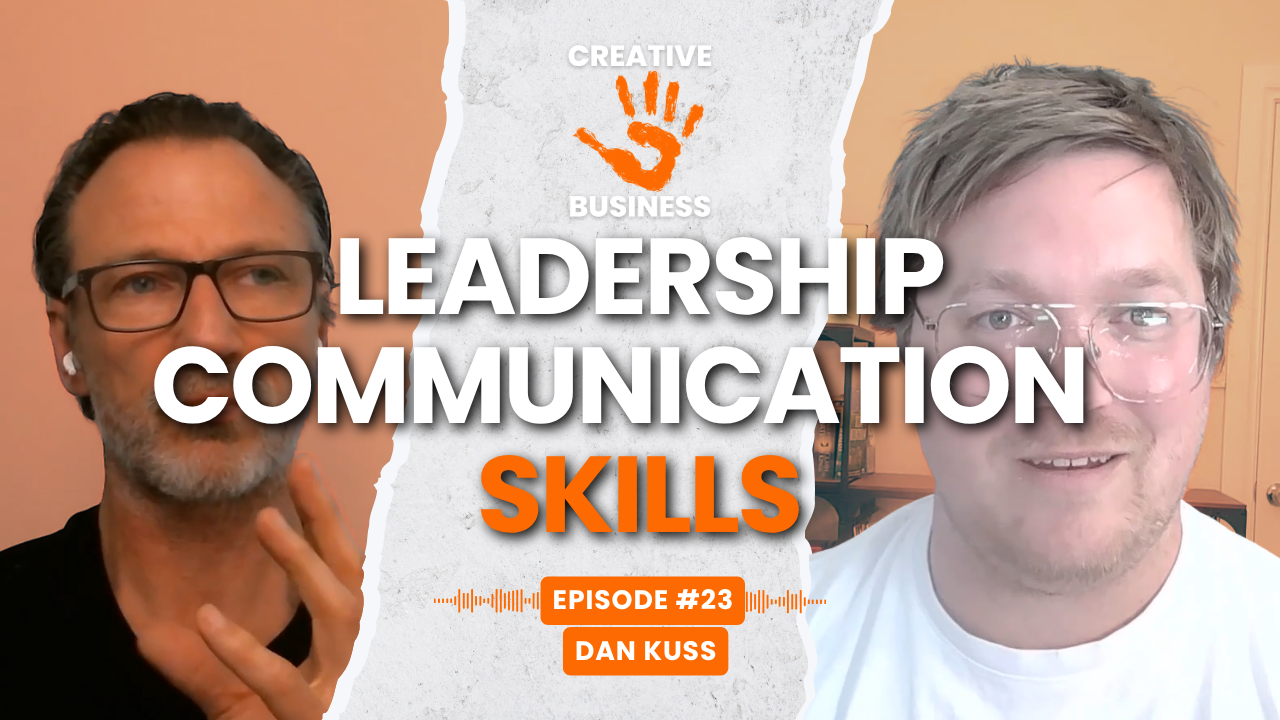
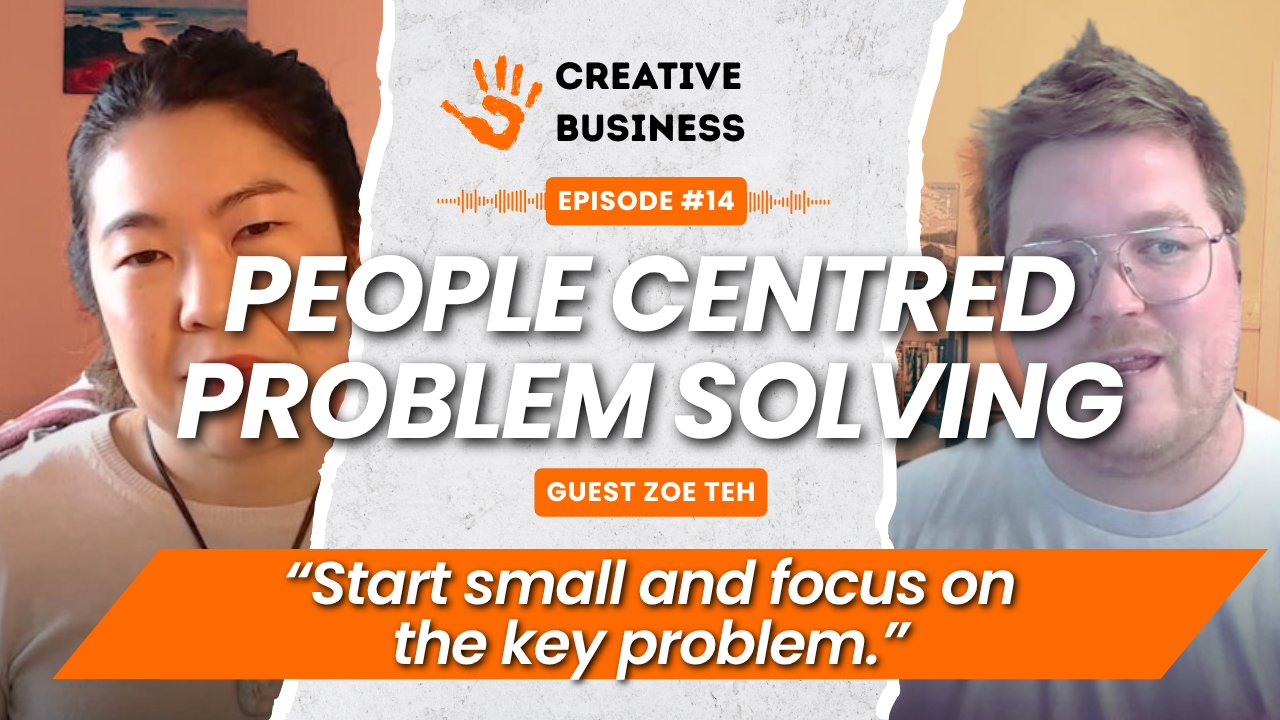
In this episode of the Creative Business podcast, host Brad Eather sat down with Zoe Teh—an organizational psychologist and former Cultural Connections Lead at PwC— to discuss how businesses can move away from transactional fixes and embrace human-centred, iterative strategies to tackle complex organizational problems like workplace burnout.
LISTEN HERE
Moving Past Symptoms: The Core of People-Centred Problem Solving
True creative problem solving in business requires looking past surface-level symptoms to discover the actual root causes of a problem. When facing a drop in employee retention, a traditional HR department might decide to implement generic wellness perks.
However, a people-centred problem solving approach involves consulting with the affected individuals directly to diagnose an appropriate solution to the problem. For example, while leadership might assume staff need mental health days, interviewing exhausted employees might reveal that the true catalyst is uncompensated overtime.
“Everyone can have a different interpretation of the problem. If you're in a workplace, someone from HR could say, 'Burnout is causing people to quit, so we need to introduce more mental health days or wellbeing programs.'
But then someone with lived experience of that burnout might say, '
Hang on, that's not going to fix the issue. The real issue is that you're making us work long hours and we don't even get time off in lieu.”
Balancing Planning and Execution: The MG Taylor Model
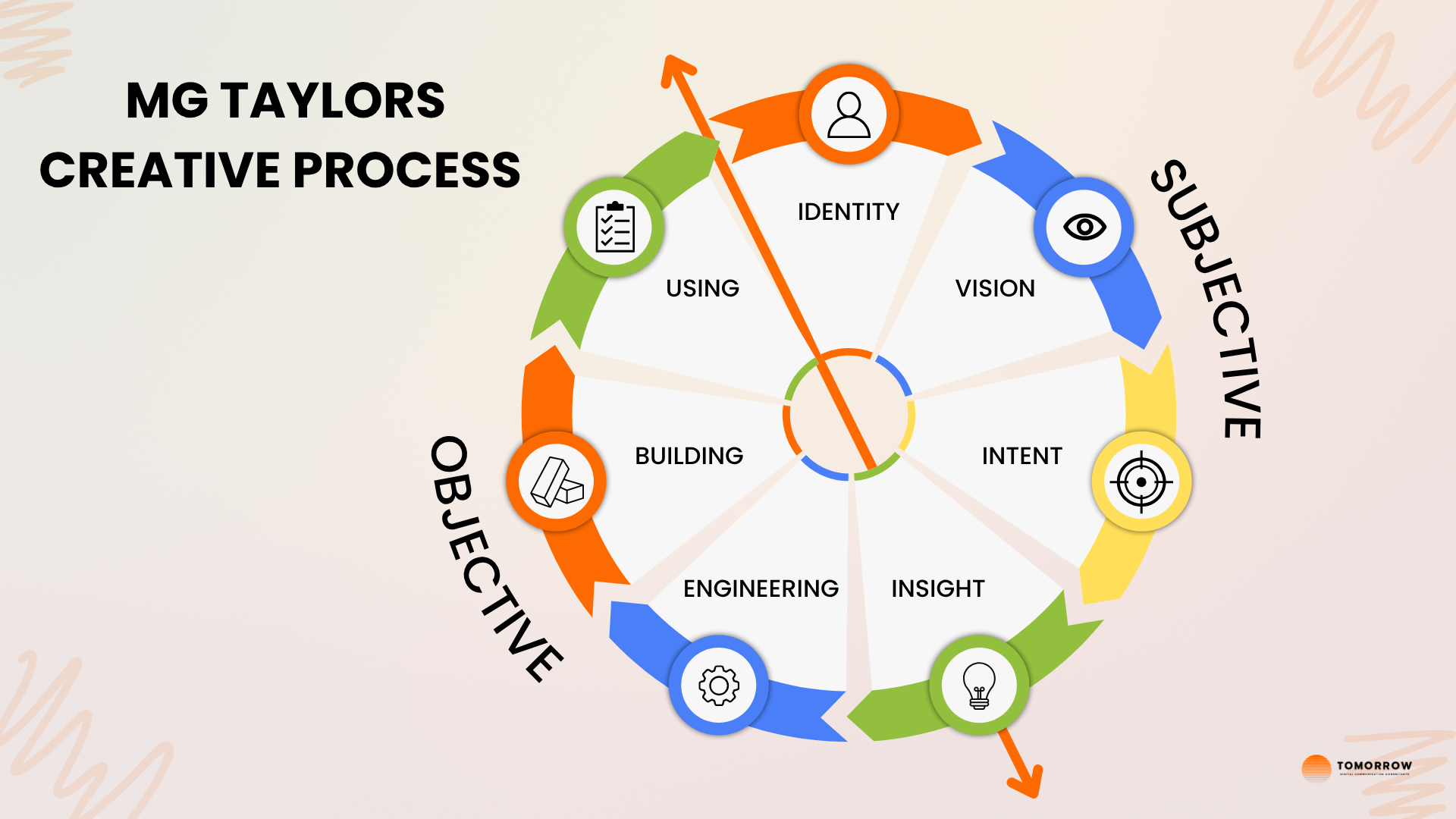
To navigate corporate challenges without rushing into premature fixes, Teh utilizes structured design thinking frameworks—specifically the 7-step MG Taylor Creative Process Model.
This methodology acts as a continuous loop that forces teams to align before executing & iterating.
The Subjective Planning Loop (Steps 1–4):
- Identity: Teams define the core challenge
- Vision: Align on a shared destination
- Intent: Commit resources for a multi-year effort.
- Insight: Interview those with lived experiences to gather data
The Practical Execution Loop (Steps 5–7):
- Engineering: Only after alignment does the team map out budgets and methodologies.
- Build: Create prototypes.
- Use: Test the solution in the real world to gather feedback.
Designing a Discovery Workshop: Parameters and Ethics
When scoping a people-centred workshop, a project's boundaries are defined by four distinct pillars:
- Outputs vs. Outcomes: Objectives must distinguish between outcomes (intangible benefits like learning new skills) and outputs (tangible deliverables like a physical guidebook).
- Operational Givens: These are undeniable, factual parameters, such as specific internal metrics or legislated psychological health and safety duties of care.
- Risk Mapping: Teams must evaluate both the risks of implementing a new program and the long-term risks of doing nothing.
- Ethical Engagement: Lived-experience participants should never be treated as tokenistic volunteers. Because they act as subject-matter experts, organizations must clearly define their roles and compensate them for their time.
WATCH CLIP
Active Listening and Psychological Safety
The success of any human-centred project relies heavily on practicing active listening over telling. Drawing on her career training at Apple, Teh notes that effective problem solvers do not aggressively push predefined solutions. Instead, they use emotional intelligence (EQ) and open-ended questions to uncover a user's true operational reality, leading to co-engineered, highly customized solution.
Ultimately, this collaborative innovation requires psychological safety. If a corporate culture is judgmental, employees will hide their best ideas out of a fear of looking unprofessional.
By removing the fear of judgment and embracing the curiosity of play, organizations can break down silos, build deep institutional trust, and establish deeply resilient workplaces.
To hear more conversations on the intersection of commerce and creativity subscribe to the Creative Business podcast where ever you listen to podcasts.
ABOUT US
DIGITAL MARKETING CONSULTANTS
Tomorrow embed inside $1M–$10M professional services to turn complex expertise into high-converting content systems that capture attention and drive growth.