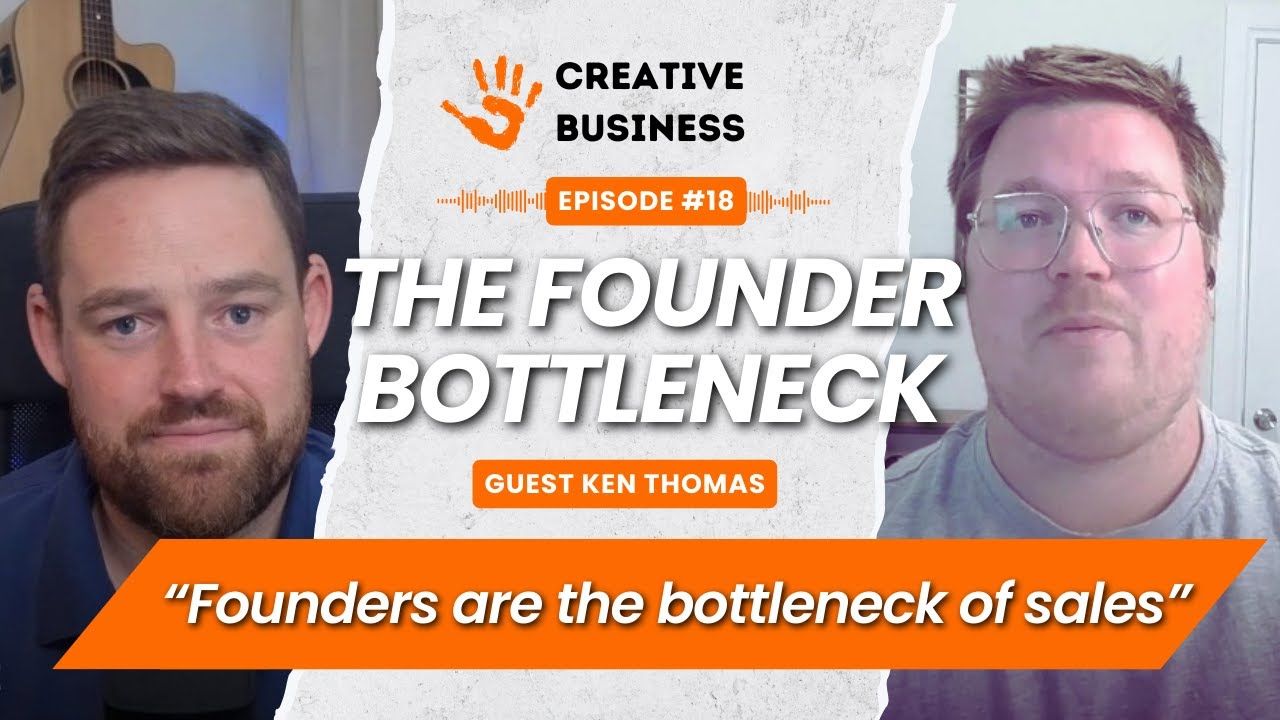
Psychology That Actually Drives Buyer’s Behaviour
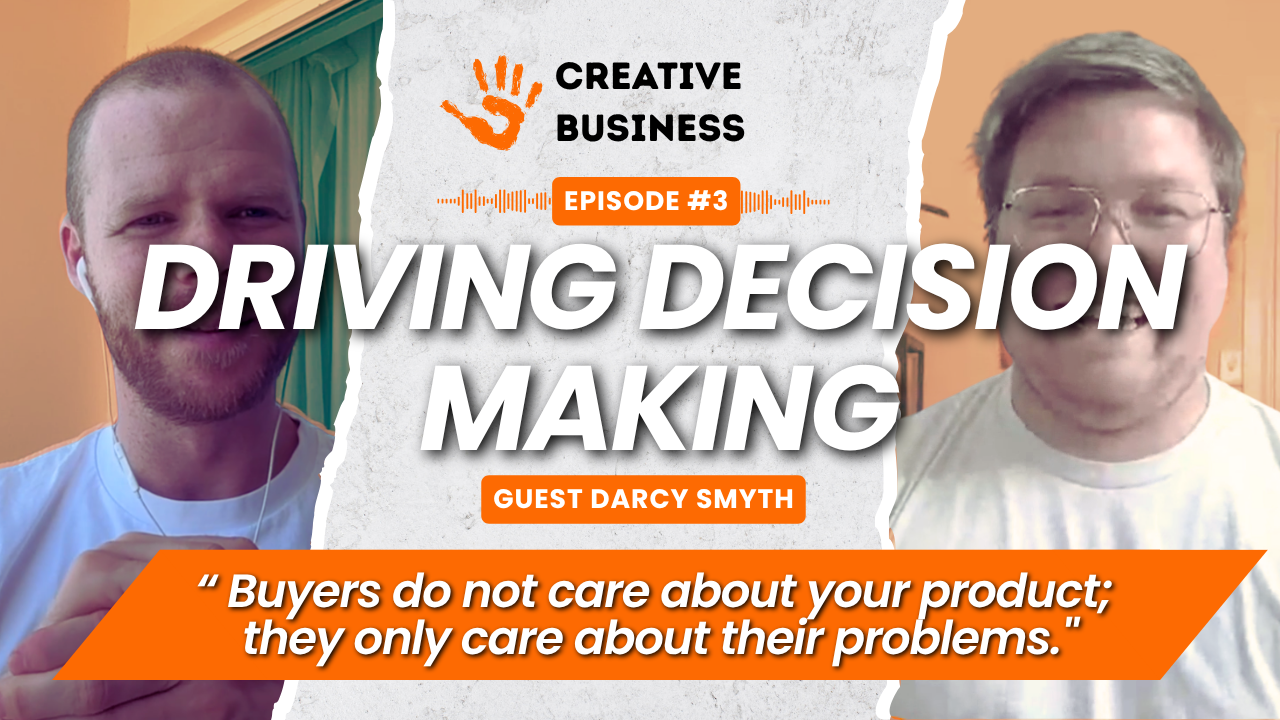
Modern B2B buyers are facing calendar fatigue and information overload. Traditional pitches of features and benefits are failing to cut through the noise.
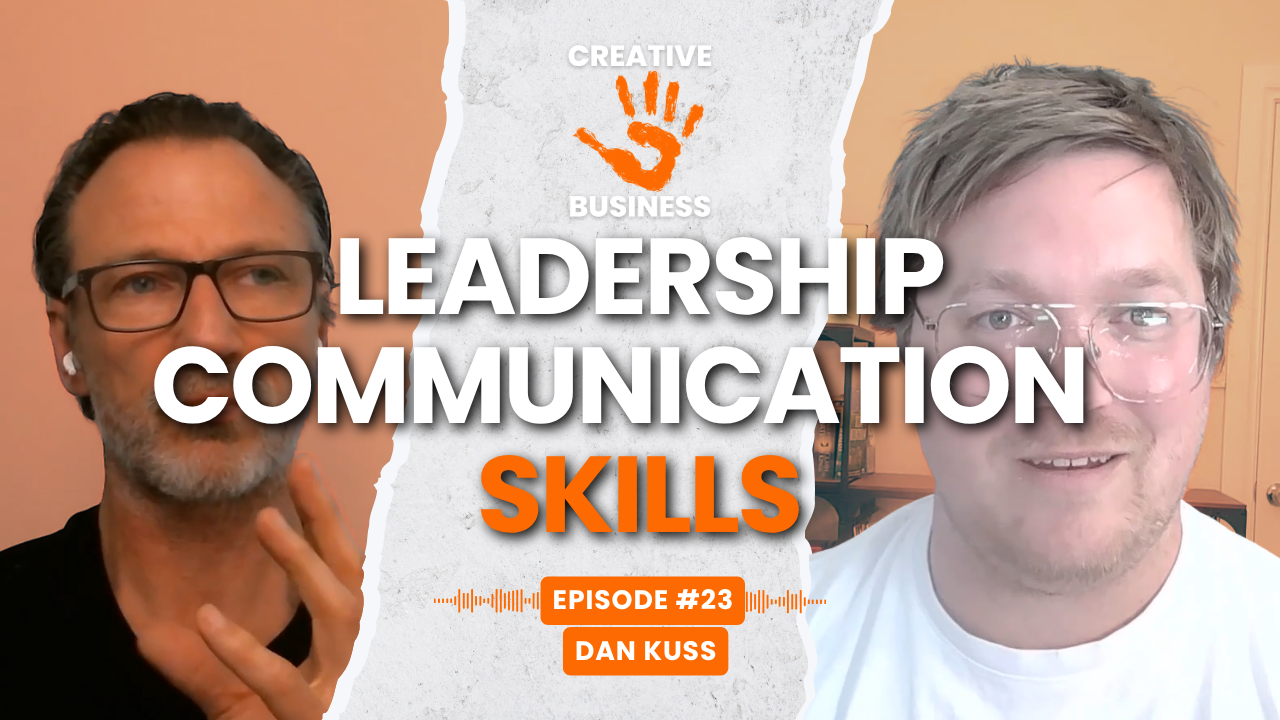
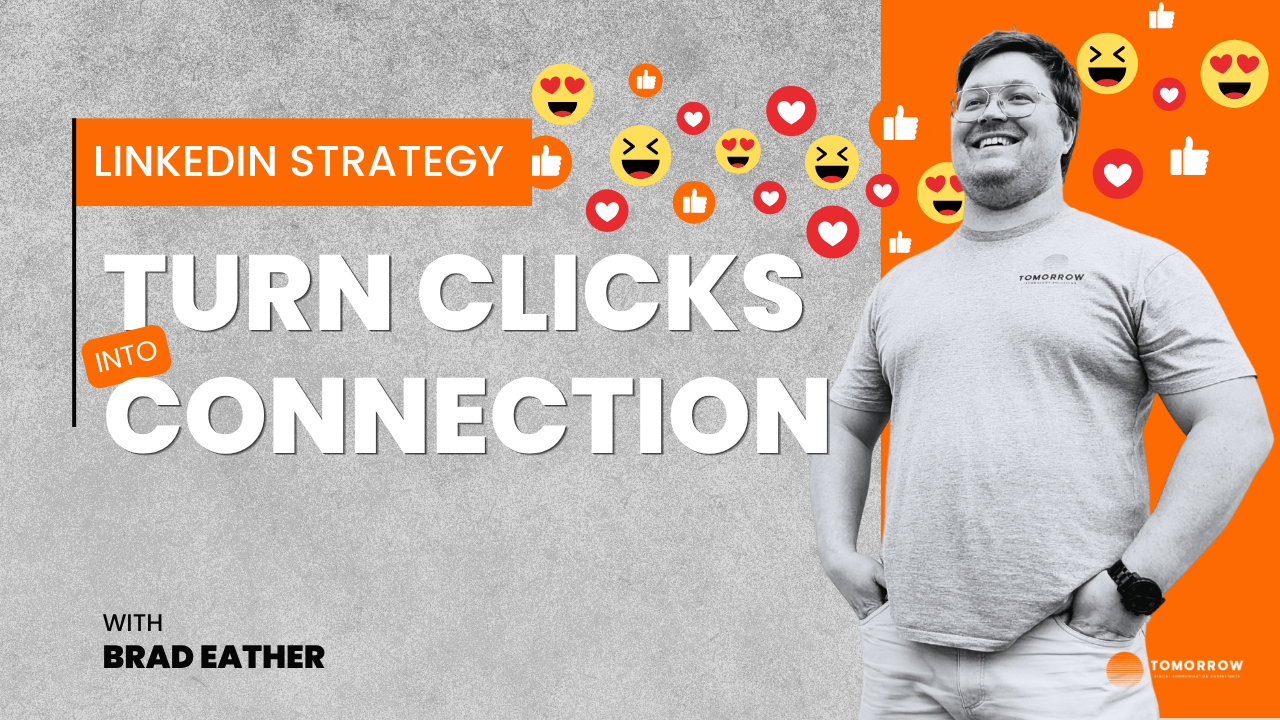
This week on the Creative Business podcast, host Brad Eather sat down with Darcy J. Smyth, a sales psychologist and co-founder of Outbound Game, to decode the subconscious mechanics of buyer behaviour. Smyth broke down how organizations can leverage sales gamification in B2B to overcome execution slumps and why shifting from a feature-focused seller to a problem-centric seller allows professionals to command revenue authority.
LISTEN HERE
Gamification in B2B Sales
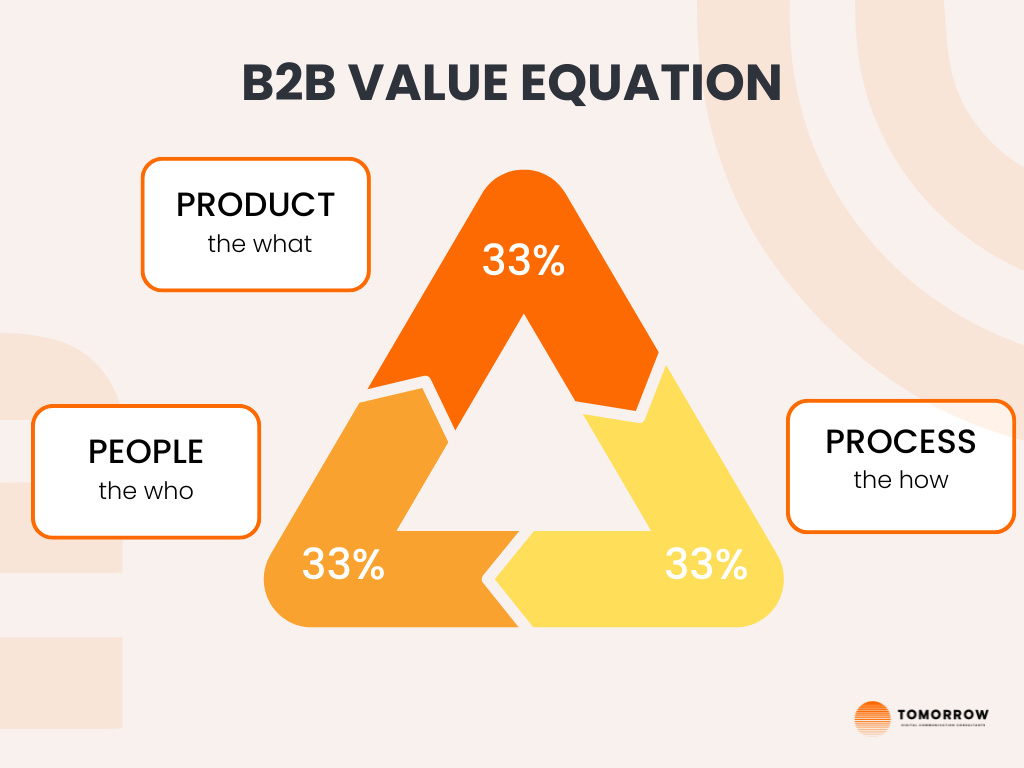
Sales can be an intense monthly grind where at the end of each month the scoreboard resets. While traditional sales training creates brief "lightbulb moments," execution usually fails because reps are continuously getting bogged down by daily administrative demands.
To bridge this implementation gap, Smyth and his partner, Steve Clayton, looked to the arcade—an environment where human motivation is naturally effortless.
"We wanted to put what we call the 'arcade effect' into a platform that explicitly drives the implementation of sales strategies, tactics, and techniques."
By injecting gamification into standard B2B sales workflows, leaders can leverage primal human drivers to sustain consistent team motivation.
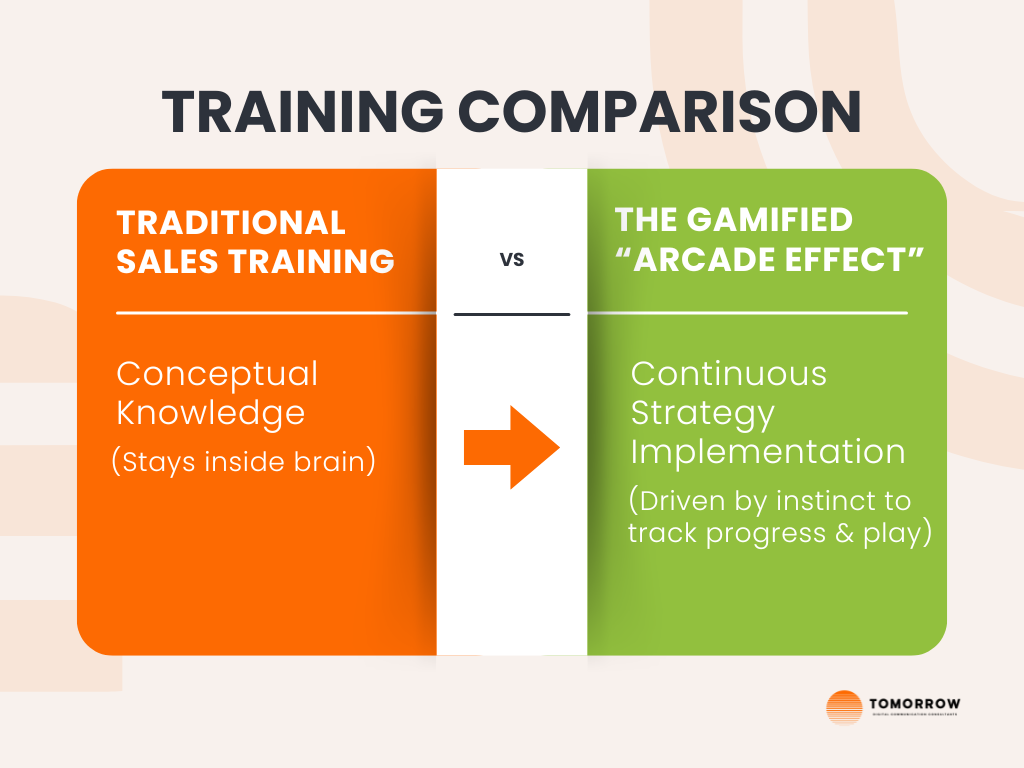
The Value Equation: Product, Process, and People.
Most salespeople mistakenly make their product 100% of their focus, yet it only constitutes 33% of the total value equation. To capture higher margins, professionals today must learn to intentionally distribute all three pillars of value:
Product (The What):
This encompasses the raw specifications, features, and immediate benefits of what you sell. While necessary, it is highly susceptible to market commoditization.
Process (The How):
The method of delivery. Companies like Uber dominated not by altering their core product, but by creating massive value through frictionless, transparent processes.
People (The Who):
The human element. Buyers will frequently abandon a highly desired purchase if the salesperson displays a lack of professionalism, engagement, or domain expertise.
When a corporate seller learns to confidently manage and articulate all three branches of the value equation, they elevate their sales conversations from a basic feature comparisons to high-level business conversations.
M.O.R.E. Magnet Framework
When a new sales hire enters an unfamiliar industry, they often struggle because they lack access to the founder's inherited intellectual property (IP) and context. To overcome this and build baseline confidence, salespeople can utilize the M.O.R.E. Magnet framework, which aligns four foundational pillars to organically pull buyers toward a solution:
- Market: Explicitly map out your target audience's acute pain points and future goals.
- Offer: Tailor a solution that fits those pain points like a glove. Remember: different is better than better, and only is better than best.
- ROI: Articulate a clear value proposition. This can be financial, emotional, or time-based (e.g., giving a business owner hours back for family).
- Execution: Ensure you are prospecting directly to decision-makers who hold the authority to sign a contract, avoiding the trap of stuck internal champions.
Three-Headed Monster Framework
Buyers do not care about your product; they only care about their problems.
The human brain is biologically wired to filter out information, features, and benefits unless they directly address an active, painful challenge.
To prove that the severity of a problem dictates the value of its solution, Smyth highlights the extreme example of a bottle of water: "a bottle of water is worth an absolute fortune to someone staggering out of a scorching desert, but worth zero to that exact same person right after they have finished a meal at a restaurant." The physical product never changes—only the intensity of the problem. When the problem expands, the perceived value of your solution skyrockets .
To capture this psychological leverage, Smyth suggest sales professionals should construct a Three-Headed Monster by identifying the top three most acute, recurring operational frictions their target market faces. When you speak to a prospect, you don't pitch your product's features; you hold up the "monster" and ask if they are dealing with those specific headaches.
By leading cold outreach conversations with these macro-problems rather than a generic pitch, you speak directly into your prospect's reality, trigger immediate psychological validation, and naturally pull buyers toward your solution.
WATCH CLIP
Respect vs Rapport in B2B Sales
One of the most widely taught adages in traditional sales training is the classic rule: "People buy from people they know, like, and trust." Smyth offers a contrarian take on this perspective, Consumers in the real world routinely execute seamless transactions daily with entities they do not know, like, or trust—such as peer-to-peer digital marketplace sales or mandatory government services.
Instead of chasing superficial rapport, top performers anchor their sales process around winning professional respect.
Consider a medical emergency: If a world-class surgeon diagnoses a life-threatening illness and mandates immediate surgery, the patient complies because they respect their domain expertise—not because they like their friendly tone.
Real commercial rapport is built entirely on respect. When a seller positions themselves as a definitive problem solver who deeply understands operational challenges, they align the commercial power dynamic heavily in their favour, positioning their solution from a place of strategic authority.
Asynchronous Communication
As corporate buyers shield themselves from traditional cold phone calls and spam emails, asynchronous communication strategy has emerged as a critical channel.
To bypass gatekeepers and corporate digital screens, successful sellers use an asynchronous communication strategy—personalized voice note sales pitches and selfie videos—to reintroduce human persuasion back into automated outreach cadences.
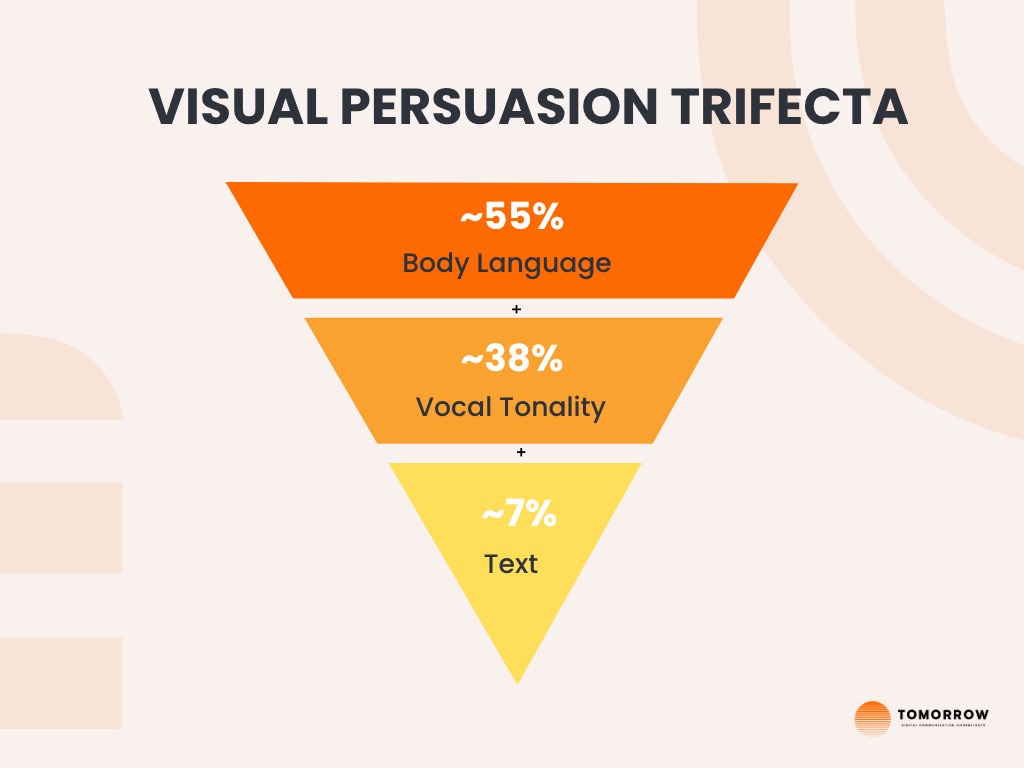
Behavioural data shows that written text accounts for a mere 7% of a message's total persuasive weight. Tonality in communication carries 38%, and body language in video sales commands the remaining 55%.
- Written Text (7% Persuasion): Highly vulnerable to misinterpretation. Emojis should be used strategically as a clever communication hack to explicitly signal intent and inject simulated tonality into flat text.
- Voice Notes (45% Persuasion): Instantly unlocks vocal warmth and resonance, separating the seller from robotic, automated text spam.
- Personalized Video Outreach (100% Persuasion Trifecta): Captures the full visual persuasion trifecta—words, tone, and posture—breaking through crowded inboxes because competitors are too hesitant or lazy to execute it.
By matching these outreach channels to individual biological strengths modern sales professionals can use content for sales power to consistently win attention, respect, and revenue.
🍊To hear more conversations exploring the intersection of creativity and commerce, subscribe to the Creative Business podcast on your preferred podcast platform.
ABOUT US
DIGITAL MARKETING CONSULTANTS
Tomorrow embed inside $1M–$10M professional services to turn complex expertise into high-converting content systems that capture attention and drive growth.